January 9, 2026
.jpg)
Imagine a surgeon trying to download a critical patient file on a tablet while moving between floors, only to have the connection drop in the elevator. Picture a university student needing to submit a final exam from a lecture hall basement, but the signal bars on their phone vanish. These scenarios are not just inconveniences. In healthcare and education, a dropped connection can mean a delay in critical care or a disruption in learning.
Reliable connectivity is no longer a luxury for large facilities. It is a utility as essential as electricity and water.
Large structures like hospitals and university campuses face unique infrastructure challenges. Thick concrete walls, energy-efficient glass, and sprawling layouts often block RF signals from outside cell towers. This leaves dead zones where devices simply stop working. Metro Wireless understands that for enterprise connectivity to be truly effective, it must penetrate every corner of a building.
The solution lies in distributed antenna systems cellular technology.
This advanced infrastructure brings the signal inside to ensure that staff, patients, and students stay connected regardless of where they are on the premises. By moving beyond traditional coverage methods, facility managers can guarantee performance and safety across their entire footprint.
A thorough DAS discovery checklist can help identify coverage gaps, infrastructure needs, and deployment priorities early on.
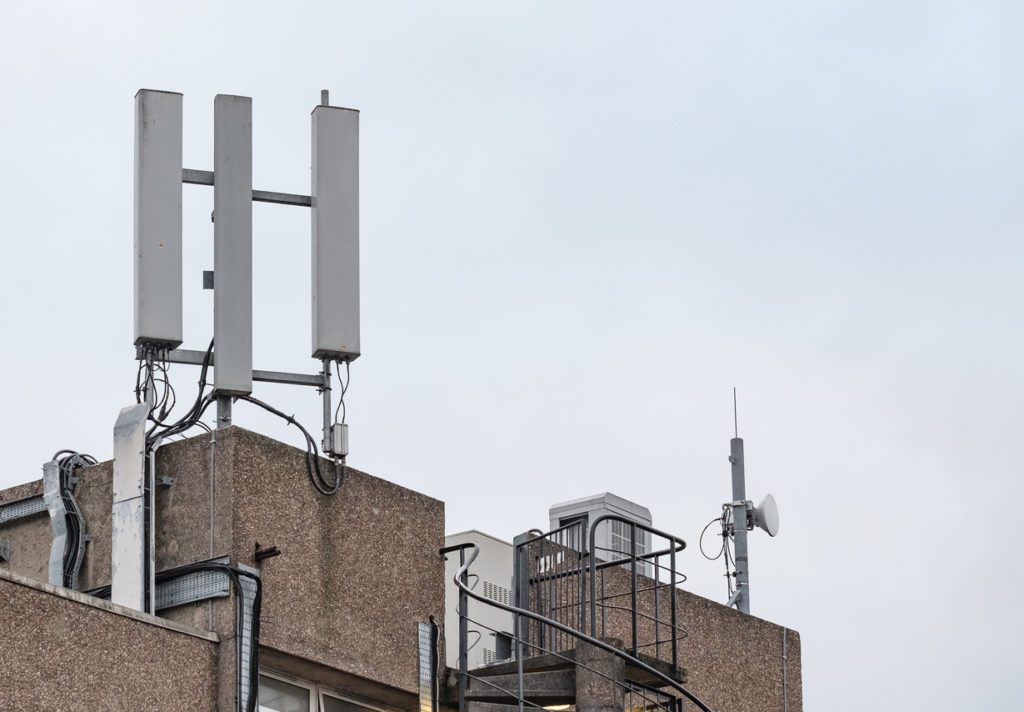
A DAS system is a network of spatially separated antenna nodes connected to a common source. This system provides wireless service within a geographic area or structure. Instead of relying on a single, powerful antenna tower outside a building to blast a signal through walls, a DAS brings the signal source inside.
Think of it as installing a dedicated cellular network directly into the infrastructure of your building.
A DAS distributed antenna system takes the signal from a carrier and distributes it via fiber optic or copper cabling to small antennas placed strategically throughout the facility.These antennas broadcast the signal to mobile devices nearby. The result is a blanket of seamless coverage that eliminates dead spots and boosts capacity.
While traditional wireless internet or standard Wi-Fi setups rely on a few access points that can easily become congested, a DAS is engineered to handle massive amounts of traffic. It serves as a robust backbone for wireless infrastructure, ensuring that the network performs reliably even when thousands of users are connected simultaneously.
Hospitals and university campuses represent some of the most difficult environments for maintaining wireless signal integrity.
Hospitals are built to strict codes. They often contain lead-lined walls for radiology, heavy steel frameworks, and labyrinthine corridors. These materials are excellent for structural safety but terrible for RF signals. A cellular DAS system overcomes these physical barriers by bypassing them entirely. By placing antennas in corridors, patient rooms, and basements, the signal originates from within the room rather than trying to penetrate from the outside.
Campuses face a different challenge. They are often spread across many acres and include a mix of old masonry buildings and modern glass structures. Students and faculty expect enhanced cellular coverage everywhere, from the dormitory to the football stadium. A 5G distributed antenna system ensures that connectivity travels with the user.
Metro Wireless recommends DAS for these environments because it supports multiple carriers. This is often referred to as a neutral host system. In a hospital waiting room or a campus library, users will be on different mobile networks like Verizon, AT&T, or T-Mobile. A properly designed DAS ensures that everyone gets a strong signal regardless of their personal carrier.
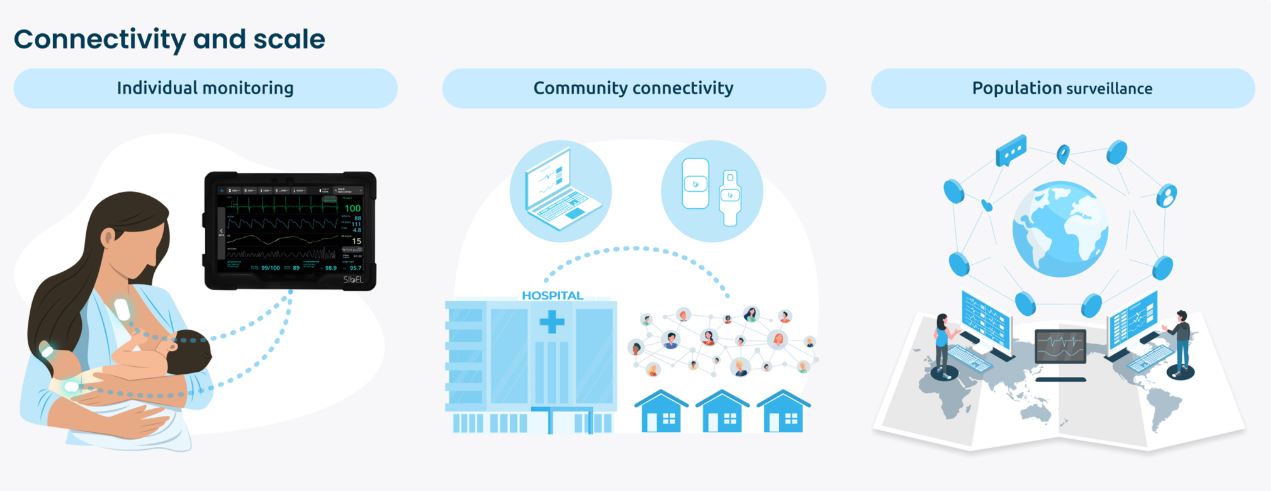
Understanding the architecture of these systems helps in planning an enterprise DAS installation. While complex in design, the core components can be broken down into four main categories.
The Master Unit acts as the central hub of the system. It connects directly to the signal source, which could be a service provider’s base station or a bi-directional amplifier. This unit takes the RF signal, conditions it, and converts it into an optical signal for transport. In the context of managed internet services, this is the control center where signal quality is monitored and optimized.
Remote Units are distributed throughout the building or campus. They receive the optical signal from the Master Unit and convert it back into an RF signal. These units are typically placed in telecommunication closets on each floor or in strategic locations across a campus to ensure the signal reaches the antennas effectively.
The antennas are the only visible part of the system for most users. They are usually discreet, ceiling-mounted devices that transmit and receive the cellular signal. In a DAS distributed antenna system, the placement of these antennas is critical. Engineers use heat mapping to determine exactly where antennas must be placed to guarantee in building wireless coverage without interference.
Fiber optics form the backbone that connects the Master Unit to the Remote Units. Fiber is essential because it can carry data over long distances with minimal signal loss. This is vital for large campuses where buildings might be hundreds of yards apart. A robust fiber backbone, similar to what is used in fiber internet connections, ensures high bandwidth and low latency.
Selecting the right components requires deep industry expertise. Metro Wireless works with facility managers to ensure the hardware selected aligns with the specific density and usage patterns of the location.
.webp)
Investing in distributed antenna systems offers immediate operational advantages.
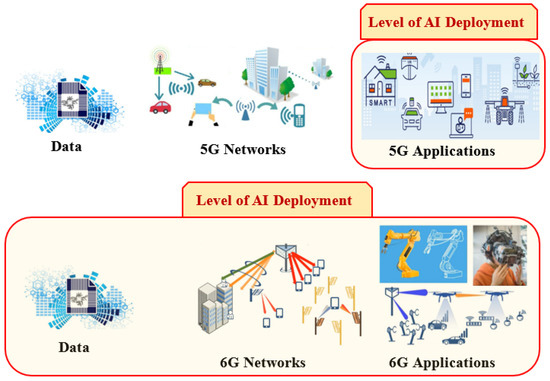
The transition to 5G is not just about faster downloads. It is about lower latency and the ability to connect more devices. A 5G distributed antenna system is critical for enabling the next generation of applications in healthcare and education.
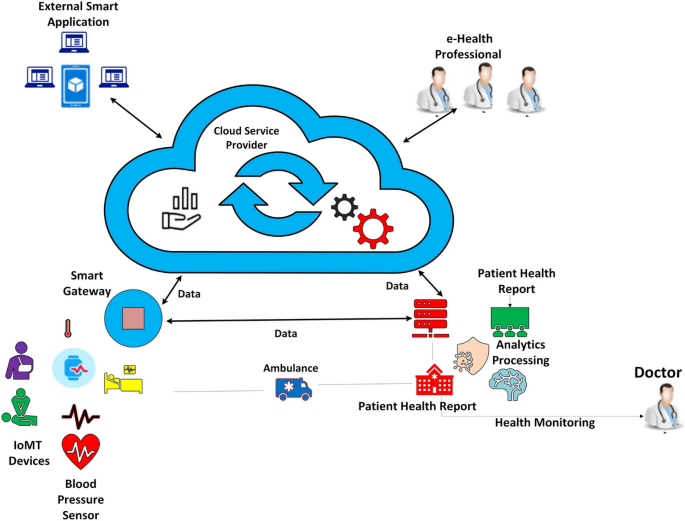
In hospitals, 5G enables remote surgery, real-time remote patient monitoring, and the rapid transfer of massive imaging files like MRIs and CT scans. These applications require the ultra-low latency that only 5G can provide.
On university campuses, 5G powers immersive learning experiences. It facilitates augmented reality (AR) and virtual reality (VR) in classrooms, allowing engineering students to visualize complex machines or medical students to practice procedures virtually.
For these technologies to work, the wireless signal must be strong and consistent. 5G DAS brings these capabilities indoors. It complements high-speed business internet connections to create a fully integrated digital environment.
Deploying a DAS system is a significant infrastructure project that requires careful planning. Metro Wireless approaches this with a structured methodology to ensure success.
Implementing a cellular DAS system involves upfront costs for equipment, cabling, and engineering. However, the return on investment (ROI) becomes clear when looking at long-term operational efficiency.
For hospitals, reliable connectivity improves patient outcomes and streamlines workflows. It reduces the time staff spend searching for a signal or waiting for data to load. In the corporate side of healthcare, it supports billing and administrative functions that rely on dedicated internet access.
For universities, a robust wireless network is a key selling point for prospective students. It also supports research grants that require high-performance computing and connectivity.
Furthermore, a DAS increases property value.Buildings with "Gold Standard" connectivity are more attractive to tenants and retain value better than those with poor coverage. By reducing reliance on ad-hoc wireless failover solutions or spotty Wi-Fi extenders, facilities save on maintenance and IT support tickets.
Facility managers often ask if they can simply rely on Wi-Fi or standard boosters. While Wi-Fi is excellent for data, it is not designed to handle cellular voice calls or mass public safety communications efficiently.
DAS distributed antenna systems offer distinct advantages over traditional methods.
Dedicated Spectrum
Unlike Wi-Fi, which operates on unlicensed spectrums prone to interference, cellular DAS operates on licensed frequencies. This guarantees a clearer and more reliable connection.
Seamless Mobility
Moving between Wi-Fi access points can cause dropped calls. A DAS creates a single and continuous zone of coverage. You can walk from the top floor to the basement without your device realizing it has switched antennas.
Simultaneous Voice and Data
DAS supports high-quality voice calls (VoLTE) and data simultaneously, which is critical for professionals using commercial internet provider services on mobile devices.
When reliability is the priority, DAS is the superior choice for large-scale environments.
1. How is a DAS different from standard Wi-Fi?
Wi-Fi handles local data but struggles with voice calls, handoffs, and heavy traffic. A DAS system brings licensed carrier signals indoors, delivering seamless mobility, stable calls, and reliable performance even under high load.
2. Can one DAS support all major carriers?
Yes. A carrier-neutral DAS broadcasts Verizon, AT&T, and T-Mobile through one shared infrastructure—ideal for hospitals and campuses where users rely on different providers.
3. Will DAS installation disrupt hospital or campus operations?
Minimal. Professional teams install enterprise DAS during off-hours or in phases. Fiber-based systems require less invasive work, keeping patient rooms, halls, and classrooms fully operational.
4. Can a DAS support 5G?
Absolutely. Modern 5G DAS designs handle higher frequencies and bandwidth needs, future-proofing facilities for telemedicine, AR learning, and next-generation applications.
5. Does a DAS improve public safety compliance?
Yes. Many areas require Public Safety DAS/ERRCS to ensure first responders’ radios work in stairwells, basements, and elevators—keeping facilities compliant and occupants protected.
Hospitals and campuses are ecosystems that rely on constant communication. A distributed antenna systems cellular solution is the most effective way to guarantee that doctors, students, and staff stay connected when it matters most. From enhancing safety to enabling 5G innovation, DAS is the backbone of modern enterprise infrastructure.
Metro Wireless specializes in delivering telecom solutions that solve complex connectivity problems. Whether you need commercial DAS systems for a medical center or wireless internet for a university, our team provides the reliability and performance your facility demands.
Ready to eliminate dead zones in your facility? Contact Metro Wireless today to discuss your DAS solution strategy.
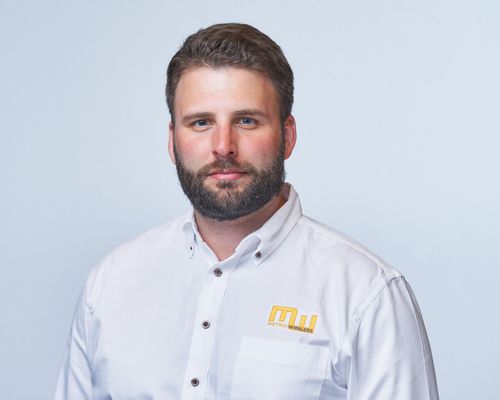
Tyler Hofman
CEO


